
Thinking About Box Dye? Here’s Why You Should Think Twice
It’s tempting.
You’re in the aisle, the color looks right, and it feels like an easy way to refresh your hair without the time or cost of a salon visit.
But here’s the reality:
Hair color isn’t a product—it’s a process.
And that process is built on chemistry, color theory, and experience. That’s why most professional stylists—including Allen—don’t recommend box dye.
Not because it’s “bad” in theory, but because it’s unpredictable in practice.
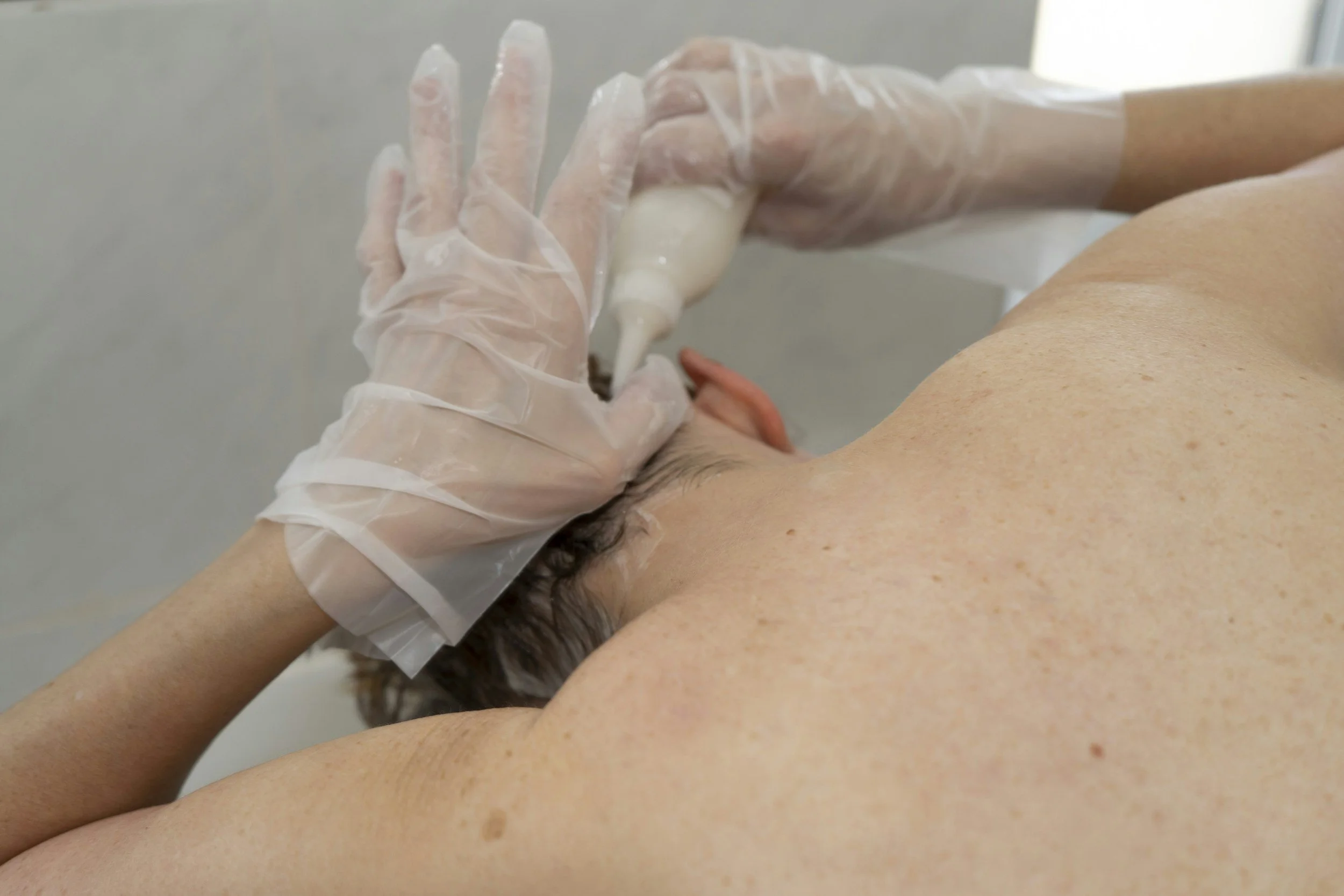
Think twice before reaching for that supermarket aisle boxed dye!
🎨 Hair Color Is Chemical Science
Every color service is a chemical reaction.
The way color develops depends on:
Your natural base color
Previous color history
Hair porosity and condition
The strength of the developer used
Box dye can’t adjust for any of that.
It’s designed to work on as many people as possible—which usually means using stronger formulas and heavier pigment to force a result.
That’s why the same box can look completely different from one person to the next.
🎯 Color Theory Isn’t Optional
Professional color isn’t just about picking a shade—it’s about neutralizing and balancing undertones.
For example:
Lifting dark hair exposes red and orange tones
Blondes can turn yellow or brassy
Cool tones can go muddy without the right balance
In the salon, every formula is built to counteract what’s already in your hair.
Box dye doesn’t do that. It applies a general tone and hopes for the best.
⚠️ The Long-Term Impact Adds Up
The biggest issue with box dye isn’t always the first use—it’s what happens over time.
Repeated applications can:
Cause uneven buildup from roots to ends
Make hair progressively darker and flatter
Create barriers that make future color harder to achieve
This is where clients often get stuck—especially when they want to go lighter later.
🔧 Why Correction Is More Complicated Than It Seems
Fixing box dye isn’t as simple as “lightening it back.”
Color correction requires:
Breaking through layers of artificial pigment
Managing warmth (orange, red, yellow tones)
Protecting the integrity of the hair during the process
It often takes multiple sessions to get to a clean, even result safely.
That’s why what feels like a shortcut upfront can turn into a longer, more expensive process later.
💇♀️ What a Professional Approach Looks Like
At Divine Beauty Lab, Allen approaches color as a fully customized service—not a one-step application.
That includes:
Assessing your starting point and hair history
Building a formula based on your specific undertones
Adjusting developer strength for control and hair health
Placing color in a way that creates dimension and movement
The goal isn’t just to get a color—it’s to create one that:
Looks intentional
Grows out well
Keeps your options open for the future
🌿 If You’ve Already Used Box Dye
You’re not alone—and it’s something Allen works with often.
The key is not rushing the fix.
Depending on your hair and your goal, the next step might be:
A gloss to rebalance tone
A gradual lightening plan
Or a full correction approach
Every situation is different—but with the right plan, it can be corrected.
Before You Reach for the Box
If you’re thinking about changing your color, it’s worth pausing first.
Because once color is on your hair, it changes what’s possible next.
Allen Wiggs is now accepting new clients at Divine Beauty Lab, located at the corner of Chicago Ave & Cleveland Ave. Plenty of free parking out front!